Carolin Tietz
Fixing three years of hidden problems without changing how the website looks

Carolin runs a wellness and retreat business in Germany. She isn't a developer, so she couldn't name what was wrong. She just knew something was: a WordPress dashboard buried in update notices, error messages piling on top of each other, warnings she had no way to read. The moment she described it to me, the picture was obvious: far too many plugins, a stack that had grown for years without a clean-up, and far more weight than the site needed. Her website didn't need a redesign. It needed to be repaired from the inside.
Every plugin is a door that has to stay locked
Each square is one plugin. A small program written by someone else, running on her website, needing to be kept up to date. She had 39 of them.
Results
What changed underneath, in plain terms.
Half the Surface to Defend
Abandoned and outdated plugins are what attackers scan for. Cut from 39 down to 17, less than half, without losing a single feature. Then locked the front door and scanned every file on the site. All clean.
Consent, Off by Default
Her cookie banner does the one job that matters. It's in German, and nothing tracks a visitor before they've said yes.
Numbers She Can Trust
Her tracking counts each visitor once, so the numbers behind every ad decision hold up.
Her Visitors Stay Hers
Her fonts and the testimonials on 60+ pages are served from her own website, so no visitor data leaves it.
Nothing Else Touched
Her design, her copy, her images, and all 140 pages, products, and orders. Exactly as she left them.
Privacy is part of the build, not a badge
Working with businesses in Germany and across Europe means privacy is never the last item on the list. GDPR shapes decisions that are made early: what loads, when it loads, and what the visitor has agreed to before any of it runs. I treat it as engineering, the same as layout or speed, because it is the part of a site that people notice only when it is wrong.
The same thinking guides the rest of the work. Every plugin is a program written by someone else, running on your site, and each one is a thing somebody has to keep current. Fewer of them means fewer moving parts, and a site whose behaviour you can actually account for. That is what took this one from 39 plugins to 17.
On Carolin's site that means a consent system in German, with everything off by default. Nothing runs until the visitor answers. And whatever they decline never loads at all.
Where to go next
See all cases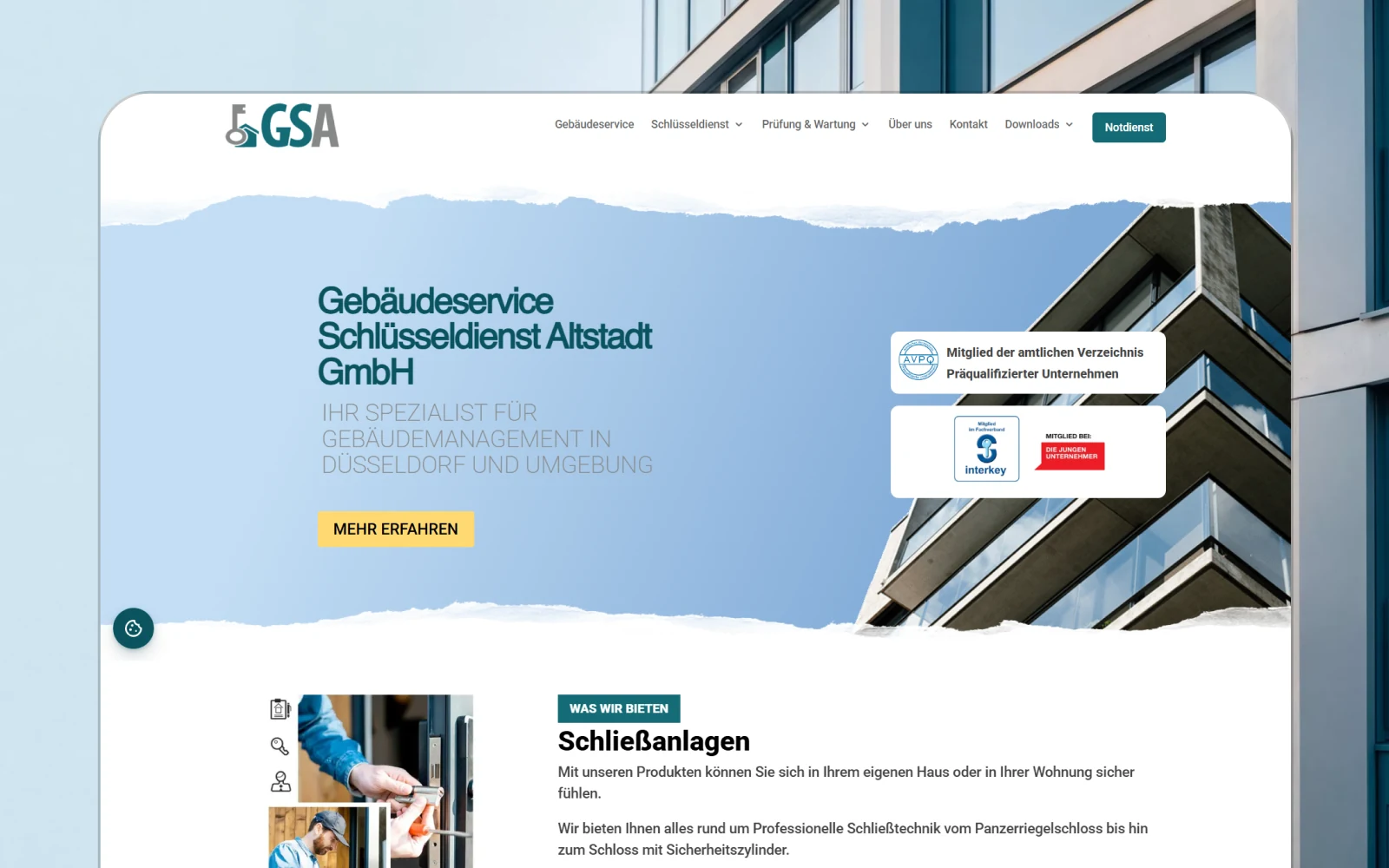
GSA
The same promise, bigger surgery. Her site was cleaned; this one was rebuilt from scratch in code. And then proven identical, page by page.
Read the GSA case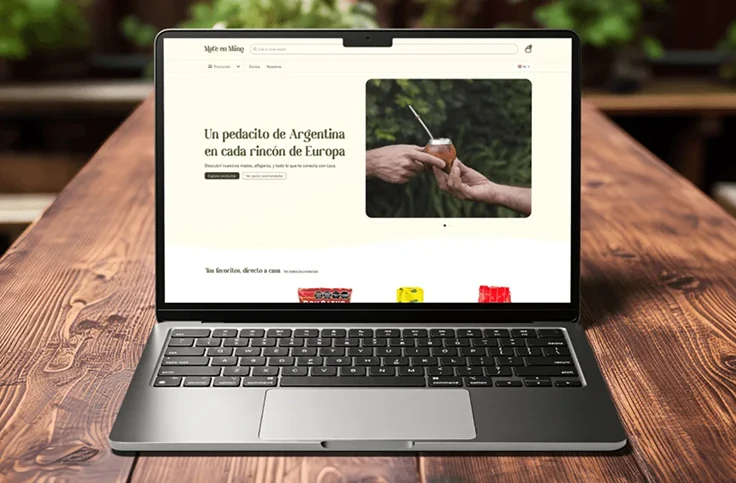
Mate en Mano
A WordPress site that had to sell, not just survive: custom code instead of plugins, three languages, European checkouts.
Read the Mate en Mano case