Fiwind
Building and scaling a financial ecosystem for 800,000+ users

An all-in-one financial platform bridging crypto, traditional stocks and daily payments. Retail users trade, earn interest on what they hold, and manage their money in one place.

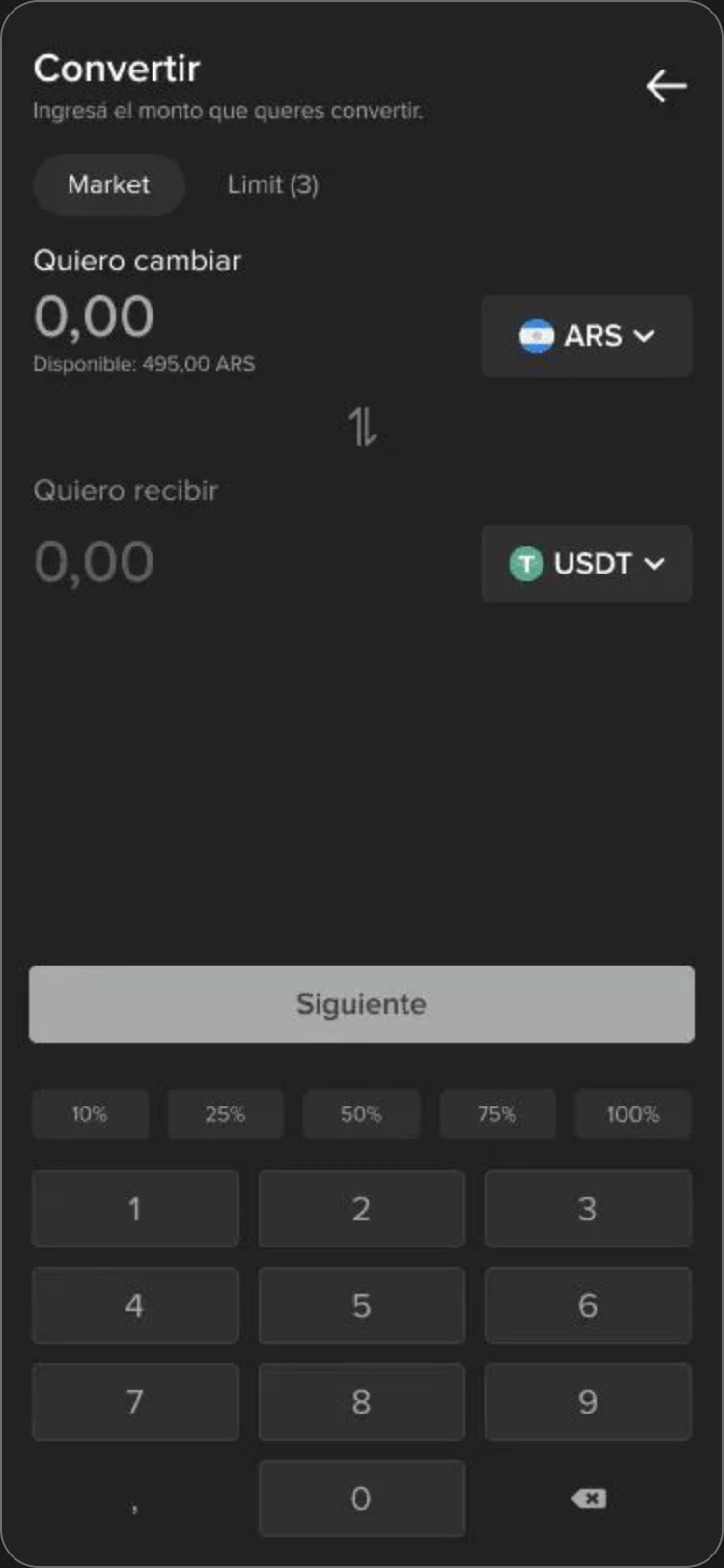
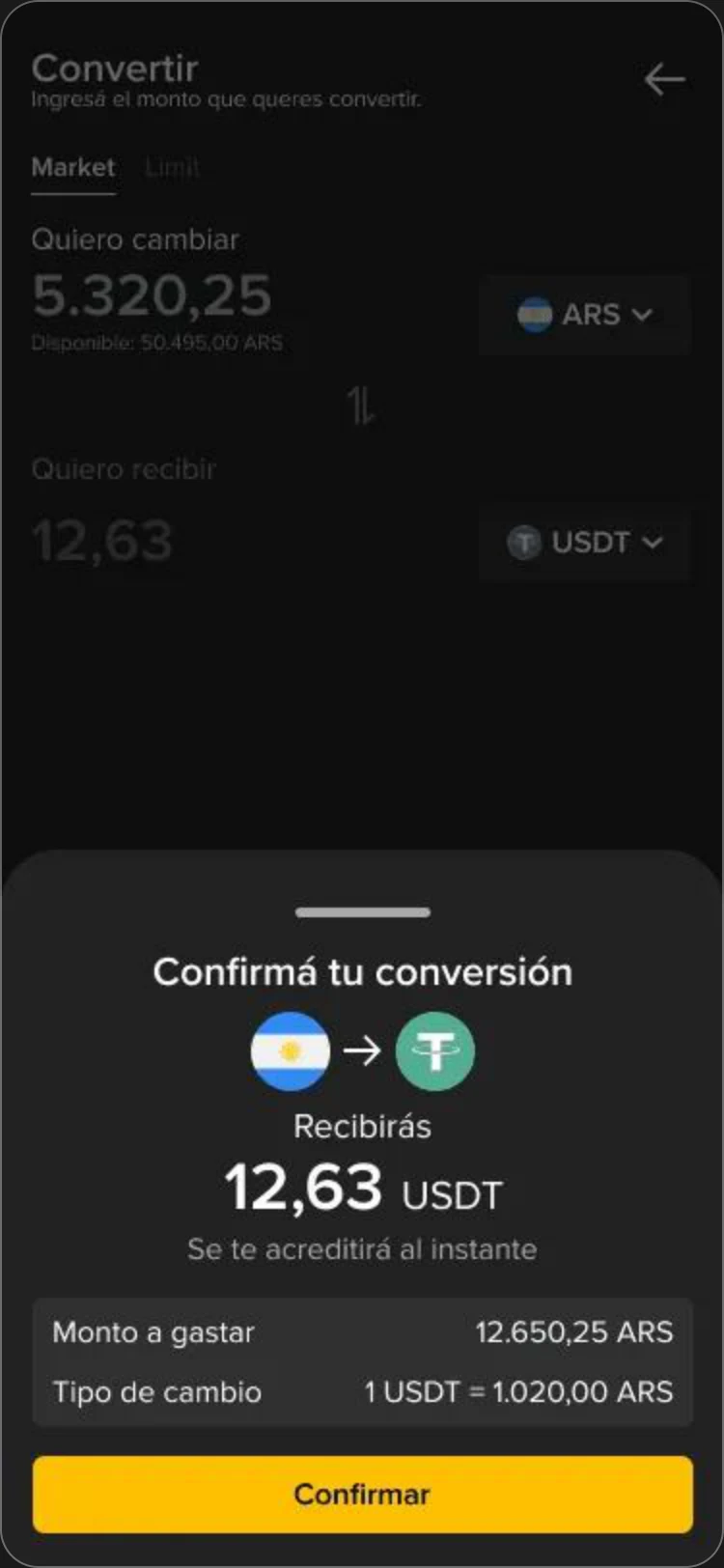
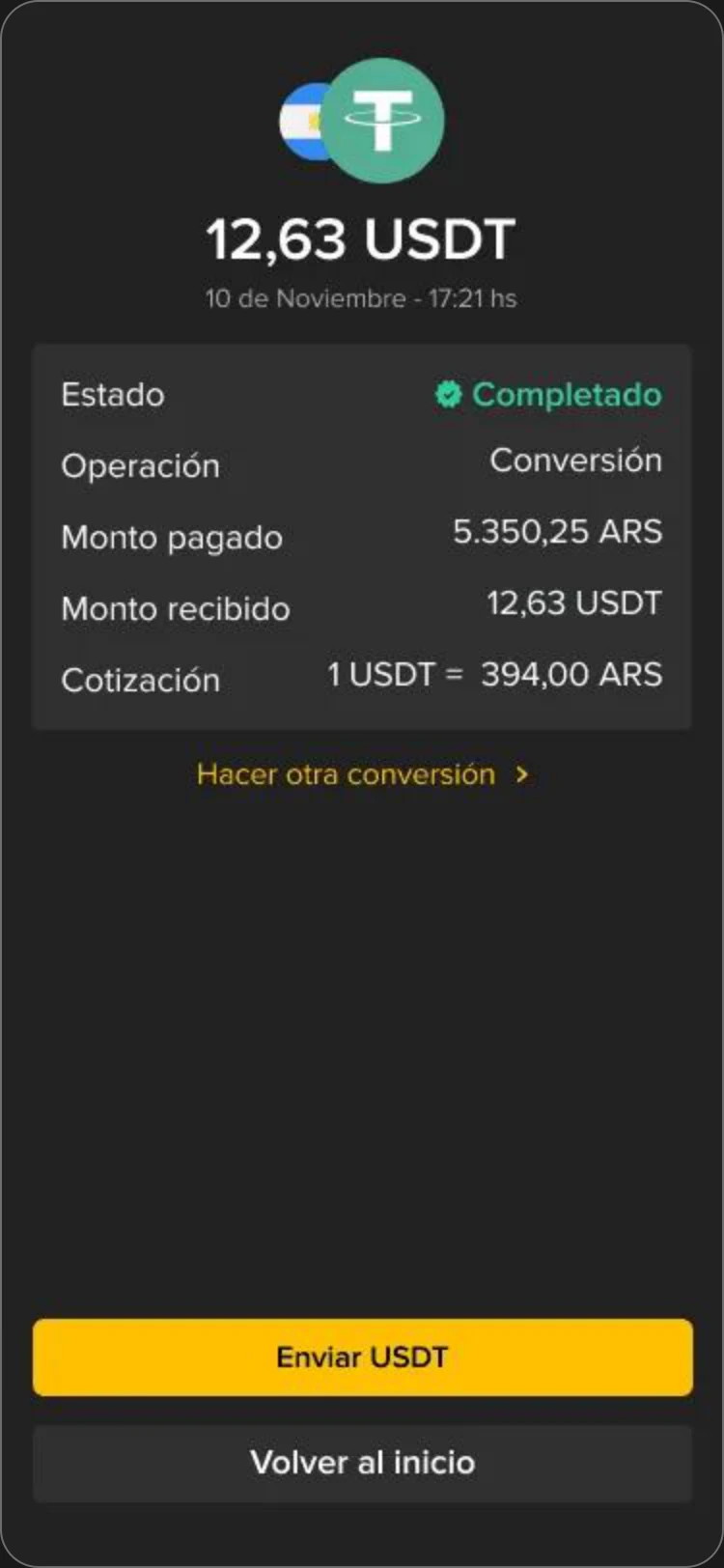
Currency Swap
We built the swap module to handle both real-time market orders for speed, and limit orders for users who want more control over their trades.
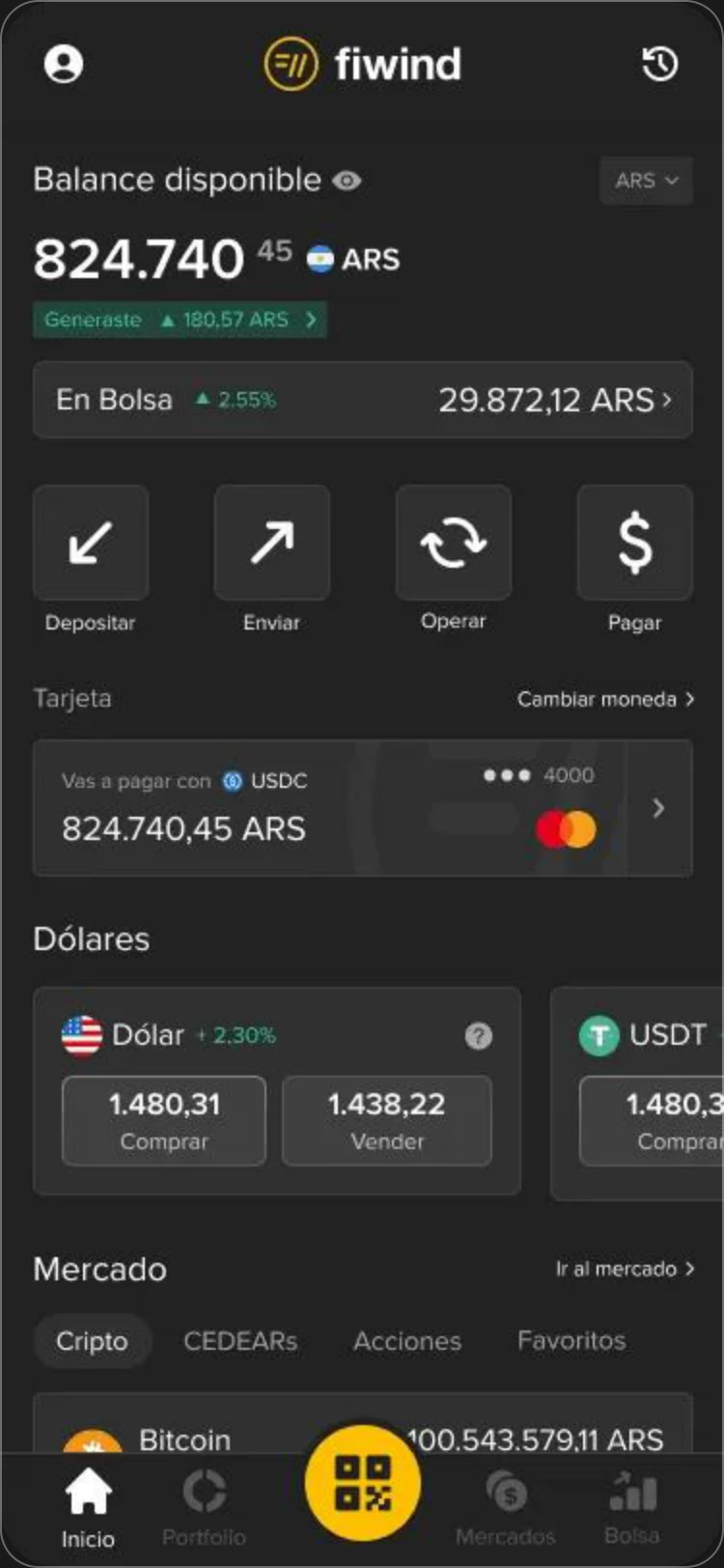
The home experience
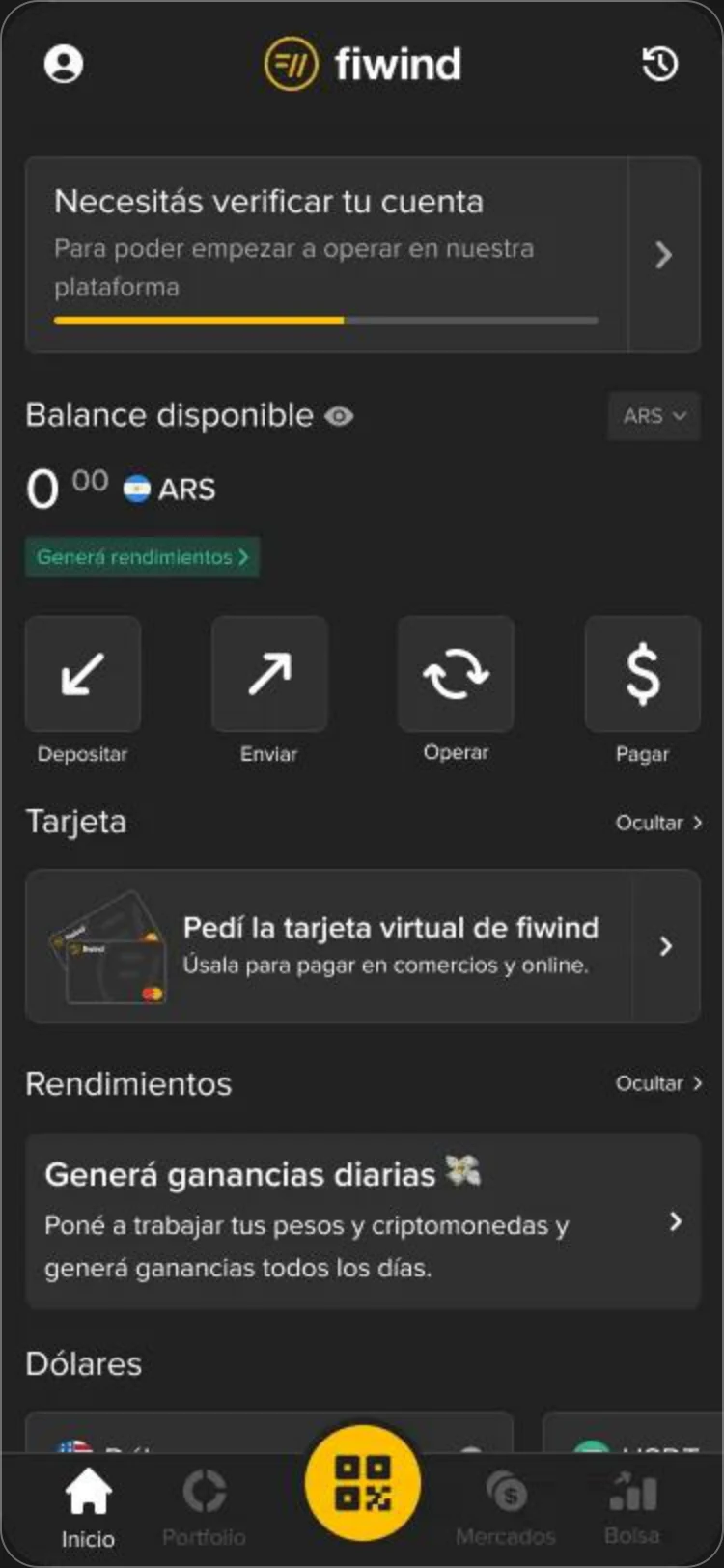
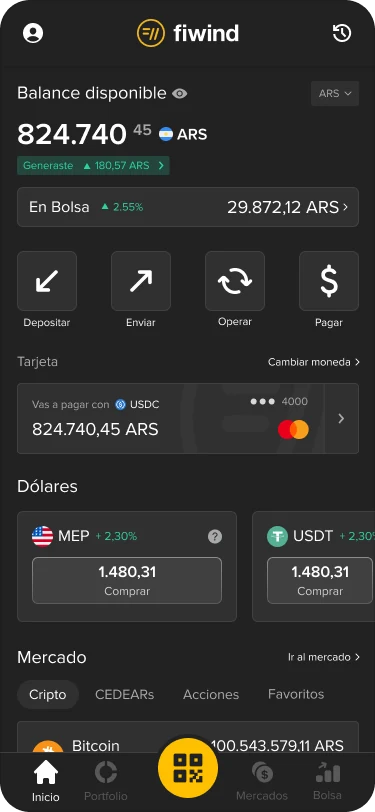
We designed a welcoming dashboard that gently guides new users to finish their onboarding while clearly surfacing new financial products and their total portfolio at a glance.

Traditional Stock Market
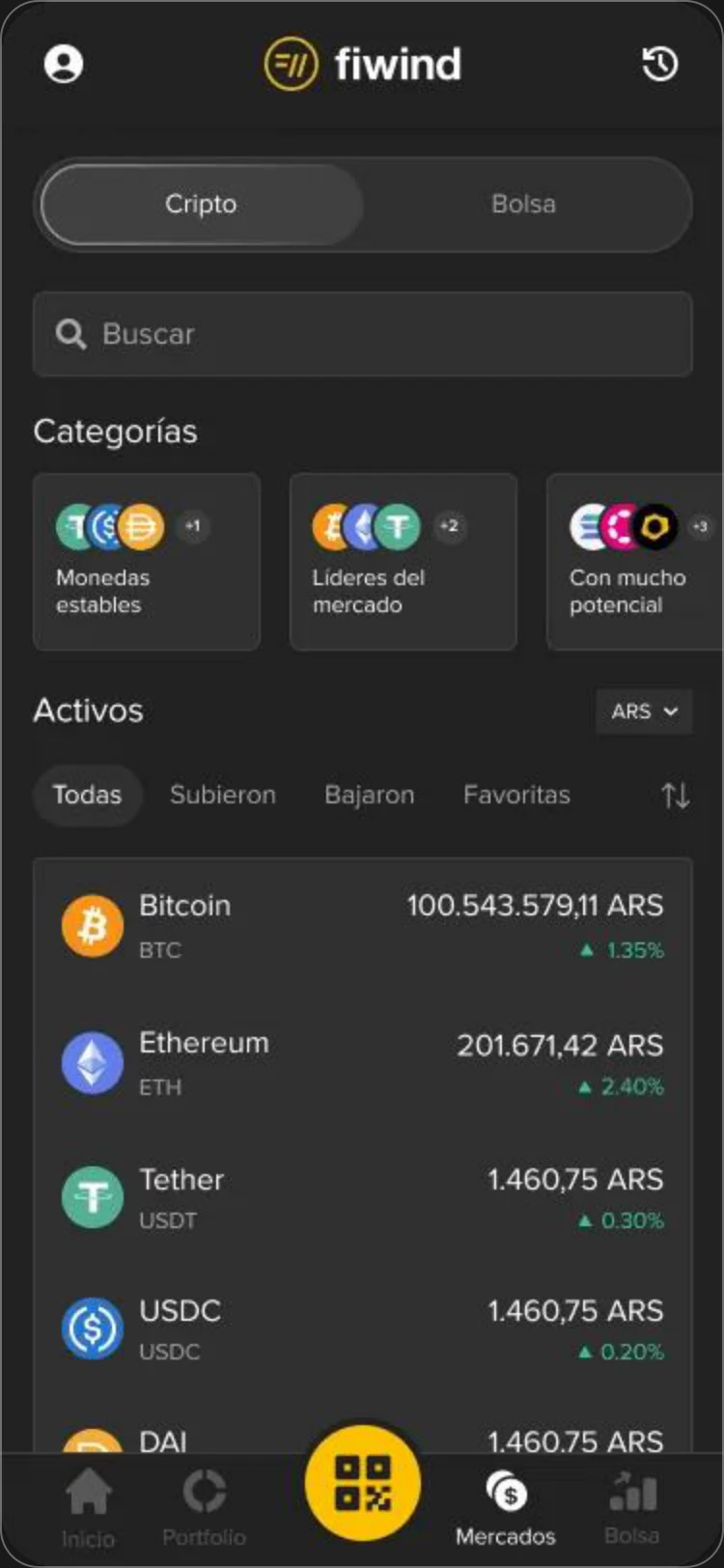
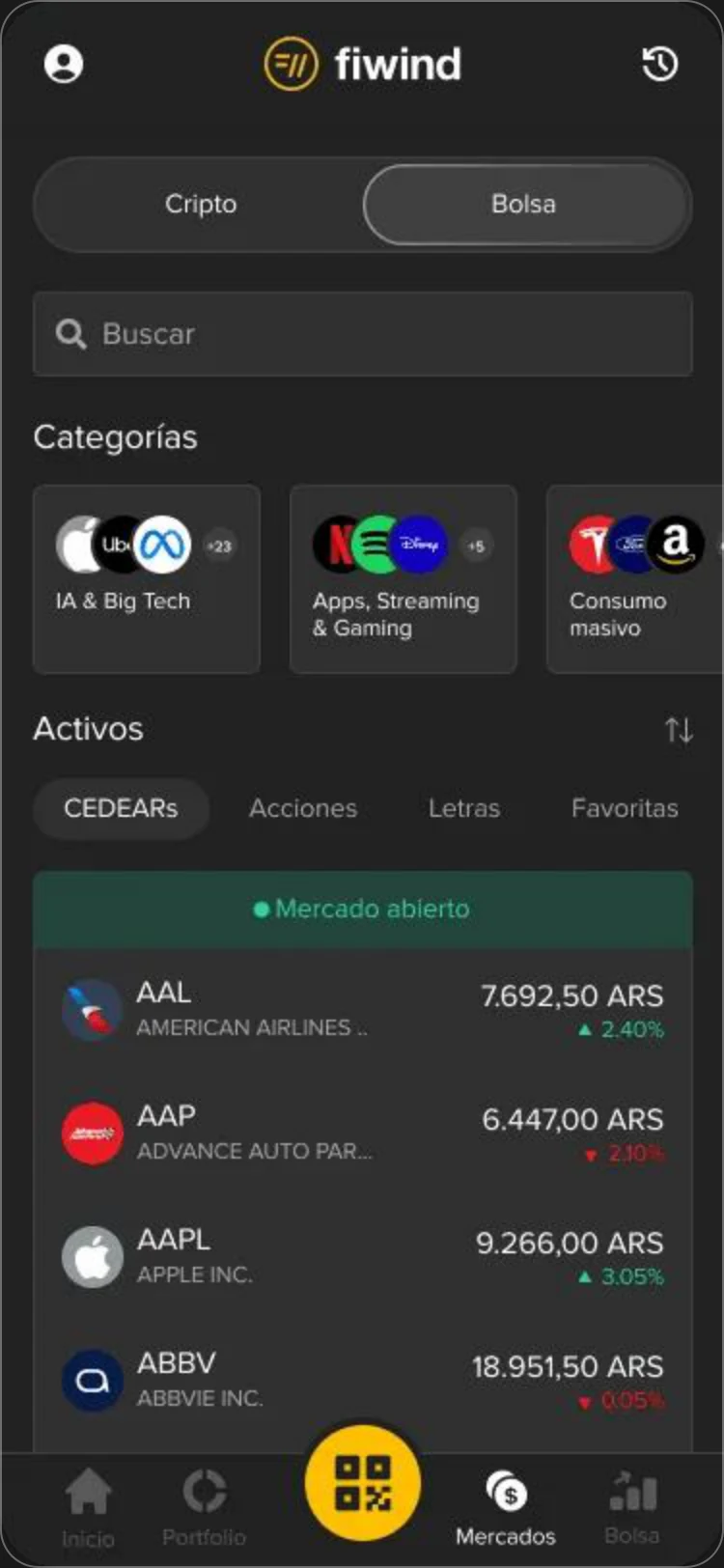
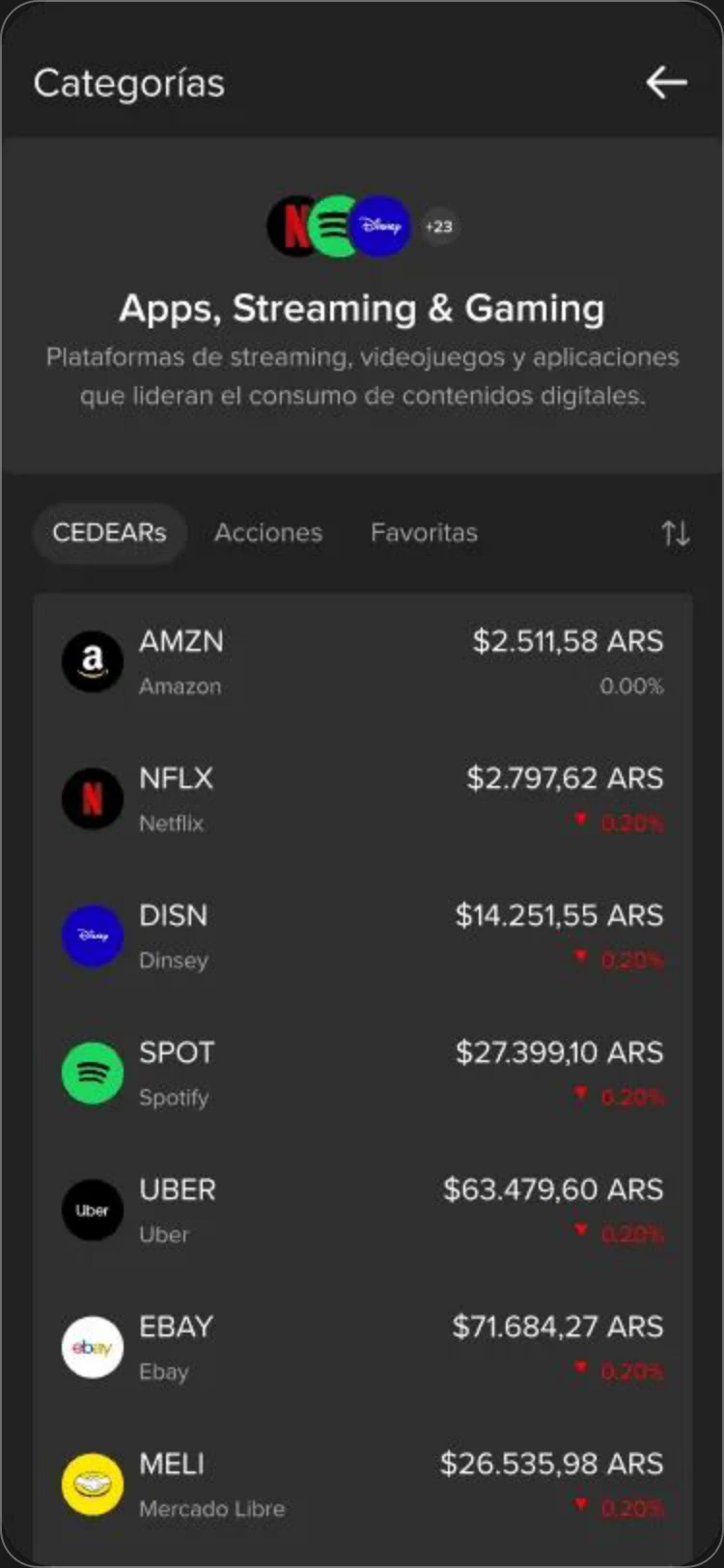
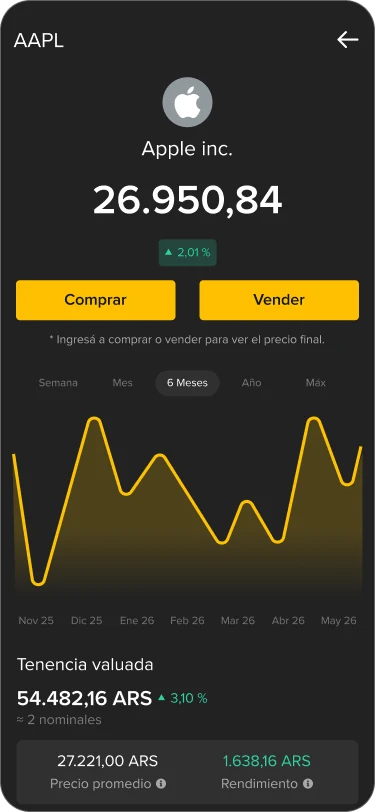
We integrated traditional equities into the ecosystem, designing clear, secure flows that make buying and selling stocks straightforward and reliable.
Results
The numbers that validate our product and design strategy.
800,000 Users
Reached over 800,000 total users on the platform in four years.
The Rating Held
Kept an average rating of 4.5 to 4.8 stars on both iOS and Android across the entire production lifecycle, backed by over 20,000 reviews.
100% Bootstrapped
Grew to that size with zero outside capital and no investors.
From 15% to 38% Activation
The most complex launch (Stocks and CEDEARs) activated 15% of the user base at first, and reached 38% after gamified incentives and UX work.
From Sole Designer to Lead
Went from sole designer to building and leading the product design team.
The story behind it
My time at Fiwind started when the company was just a small startup with an urgent goal: launch a solid MVP to the market as quickly as possible. As the first and only Product Designer, I had to wear multiple hats. I was responsible for product design, UX/UI, user research, and even the smallest graphic details.
The pressure was high, but the launch was a massive success. Demonstrating tangible results, speed of execution, and business vision allowed me to quickly earn the absolute trust of the C-Suite. This trust was the catalyst that enabled my transition from executing individual tasks to making strategic, leadership decisions about the product's future.
Context, competition and consistency
Scaling a Fintech in Argentina is no easy feat. We were operating in a highly complex economic environment (hyperinflation) where people urgently needed tools to protect their money, while simultaneously competing against global crypto giants.
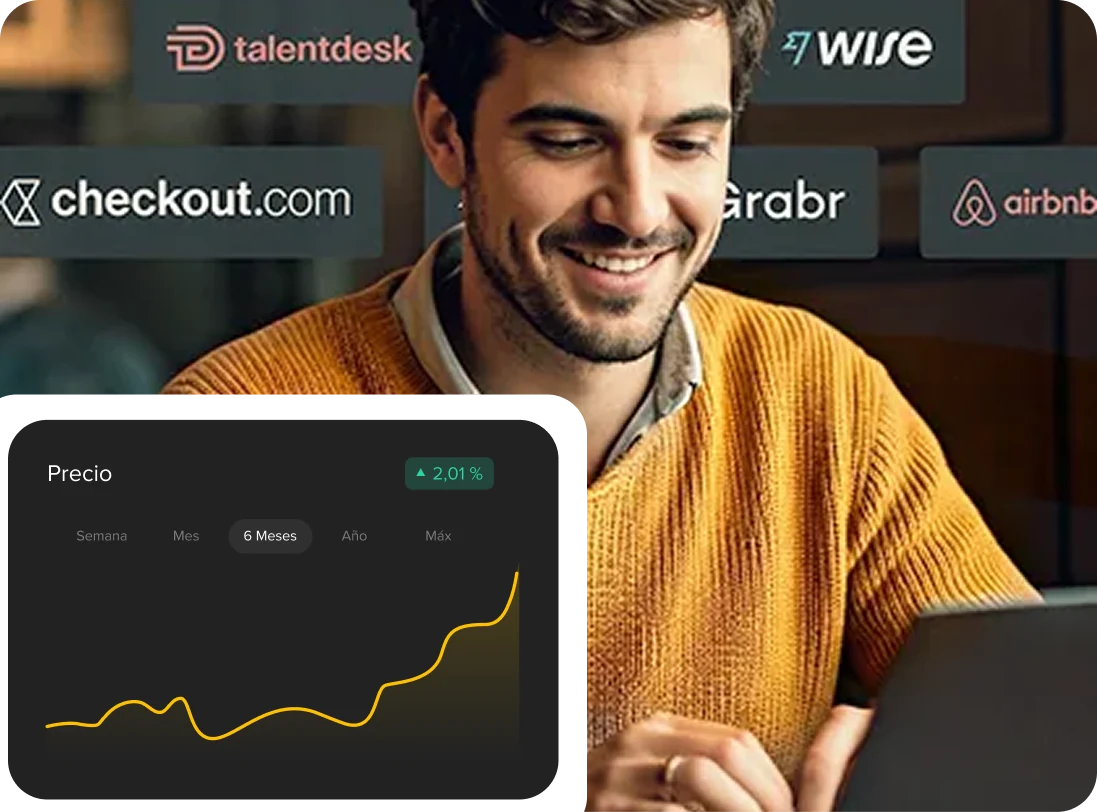
My hypothesis to stand out in this red ocean was to double down on visual trust. I ensured absolute and unwavering consistency across our brand design, mobile app, web platform, and landing pages. While our competitors overcomplicated their interfaces, we lowered the barrier to entry with a visually unified, professional, and above all easy-to-understand ecosystem for the retail or beginner user.


The growth boom, and building the team
Unlike other startups at the time that were burning millions on marketing, Fiwind achieved remarkable success in its early years based on a 100% organic acquisition model (Product-Led Growth). The product was easy enough to use that word-of-mouth did the marketing for us.
As the user base and the business grew, my role evolved. I transitioned from an individual contributor to Head of Product Design. I began hiring new designers, taking charge of their recruitment, onboarding, supervision, and daily task management. I implemented scalable design systems and operations (DesignOps) to ensure that as we moved faster, we never compromised on quality.

Stocks and CEDEARs
My final major challenge as team leader was undoubtedly the most complex: integrating the traditional stock market (international stocks and CEDEARs) into an ecosystem that was born 100% crypto-native.
This wasn't just about adding a new screen; it meant restructuring all the core flows of the application to house this new vertical without breaking the simplicity we were known for. Working side-by-side with the C-Suite to define the business vision, I orchestrated and delegated the tasks to the design team.
The result of this structural redesign? A flawless launch that achieved an initial activation of 15% of our existing user base, a figure we pushed to 38% adoption over time by implementing incentive strategies and continuous UX optimisation.
Tools and methods
Strategy & Data
Hotjar, Looker Studio, Adjust. Heatmap analysis and bottleneck identification.
Design & Systems
Figma, FigJam. A scalable Design System built on Design Tokens.
Product Management
Jira, Slack, Agile methodologies, and direct collaboration with C-Level and Devs.
Where to go next
See all cases
Taura
Also built from nothing. A physical prototype became a live product and an investor funnel, with the brand invented along the way.
Read the Taura case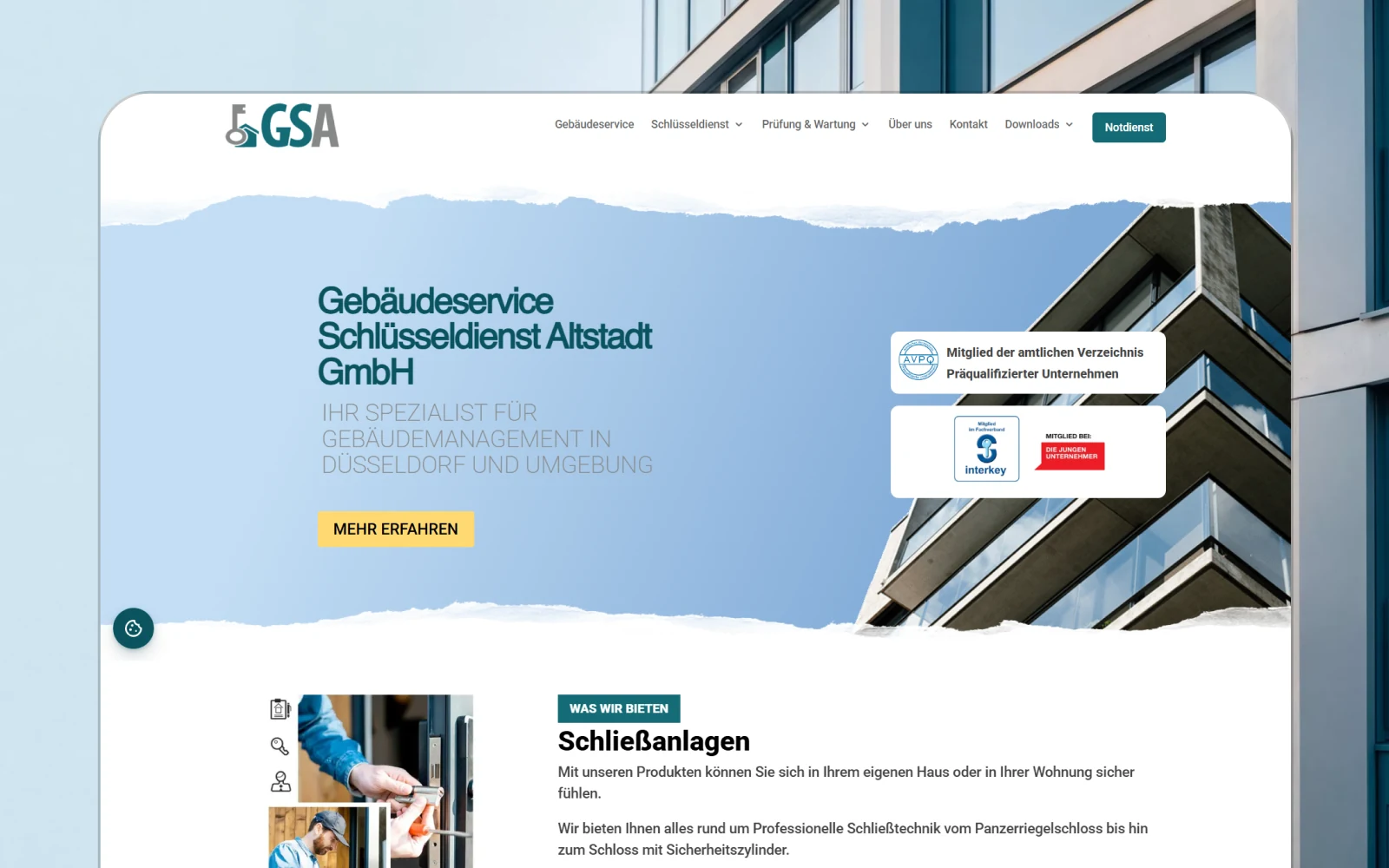
GSA
The opposite brief: no new design at all. A 32-page WordPress site rebuilt in pure code, without moving a pixel. And three times faster.
Read the GSA case